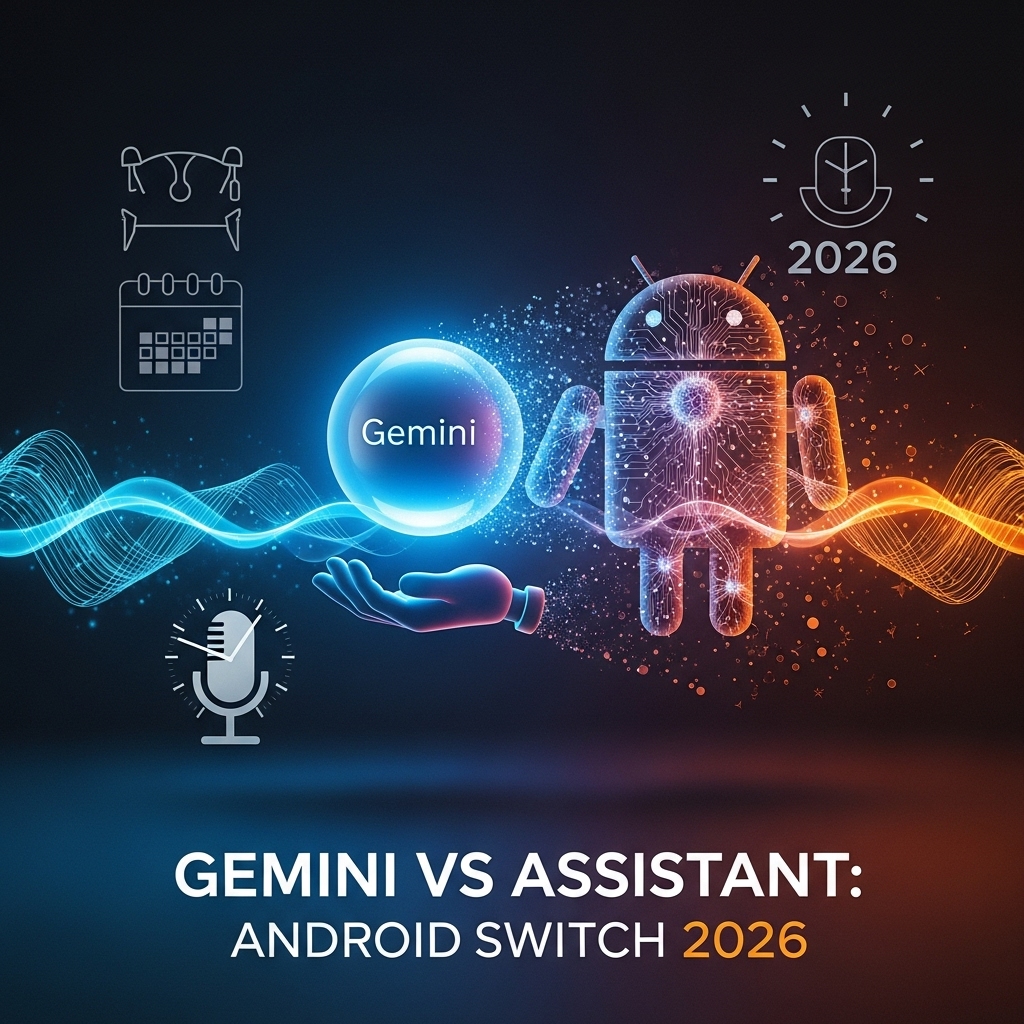
Man, remember when Google Assistant first dropped and it felt like magic? "Hey Google, play my workout playlist" – boom, done. I still use it daily for quick weather checks or setting reminders while I'm knee-deep in traffic. But here's the curveball that's got everyone talking: Google just confirmed that Gemini, their shiny new AI brainiac, will fully replace Assistant on Android devices... but not until sometime in 2026. Yeah, the original end-of-2025 deadline got kicked down the road. As someone who's been testing Gemini on my Pixel for months now, this delay feels like a mixed bag – exciting for the upgrades, frustrating for the wait. Is it a sign of perfectionism, or just Google buying time? Let's unpack what this means for us regular folks who rely on voice tech to keep life humming.
I first heard the news scrolling through my feed yesterday – it hit major outlets like The Verge and Android Police, sparking a frenzy of "Finally!" and "About time?" reactions on Reddit. Google's blog post was low-key, framing it as an "evolving upgrade" to ensure a smooth transition. No hard date in 2026 yet, but insiders whisper Q2 rollout for most devices. For me, this hits personal: My old Samsung still runs Assistant like a champ, but I've been itching to swap to Gemini's smarts on my daily driver. So, why the pushback, and what's in it for you? I'll break it down with some real-talk pros, cons, and what I've seen in my own tinkering.
Why the Delay? Google's Side of the Story
Look, Google isn't dragging its feet for fun. The original plan was to flip the switch by late 2025, starting with Pixel phones and expanding to Samsungs and beyond. But after beta feedback (and probably a few backend bugs), they're extending the timeline to "deliver the best experience." From what I've gathered, it's about ironing out kinks in Gemini's voice mode – things like context retention during long convos or handling accents without tripping over itself.
In their announcement, they emphasized "seamless integration" with Android 16, which drops early next year. Think: Gemini not just answering questions, but anticipating them – like suggesting a route based on your calendar and traffic patterns, all without you lifting a finger. But the delay means hybrid mode for a bit: Assistant handles basics, Gemini takes the heavy AI lifting. It's smart, but man, it feels like waiting for that last firmware update that never quite lands.
The Good Stuff: What Gemini Brings to the Android Party
Don't get me wrong – this switch is overdue and packed with upside. I've been using Gemini on my Pixel 9 Pro for weeks, and it's night-and-day from Assistant's sometimes-clunky responses. Here's what has me hyped:
- Smarter Conversations: Assistant was great for commands, but Gemini chats like a buddy. Ask "Plan my weekend around this weather," and it pulls your calendar, suggests spots, even books reservations via integrations. No more back-and-forth ping-pong.
- AI Superpowers on the Go: Built-in image gen, real-time translation during calls, and proactive summaries (e.g., "Your email thread with the boss? Here's the TL;DR"). For commuters like me, it's a game-changer – hands-free brainstorming while stuck in Delhi traffic.
- Privacy Tweaks: Unlike Assistant's always-listening vibes, Gemini's on-device processing keeps more data local. And with Android's scoped storage, it's less of a data hoover.
If you're on a Pixel or upcoming Galaxy, this could make your phone feel alive – like having JARVIS from Iron Man, minus the sarcasm (for now).
The Flip Side: Why This Delay (and Switch) Isn't All Roses
But let's be real – not everything's sunshine. I've hit walls with Gemini betas that make me miss Assistant's reliability, and the wait to 2026? It's testing my patience. Here are the rough edges that have me side-eyeing the hype:
- Reliability Hiccups: Gemini's still quirky – it hallucinates facts sometimes (like telling me the wrong train times last week), and voice recognition falters with accents or background noise. Assistant? Rock-solid for basics. Until Gemini matures, expect frustrating "Sorry, I didn't get that" loops during critical moments, like navigating in a storm.
- Battery and Bloat: Early tests show Gemini guzzles 15-20% more juice for its AI tricks. On older Androids (pre-2024), it could mean shorter days or forced updates that slow things down. Plus, the "upgrade" might force bloatware – do you really want another layer of Google services?
- Privacy and Control Creep: Gemini's deeper integrations mean more data sharing (even if "on-device"). Remember the 2024 Assistant privacy scandals? This could amp that up, with ads slipping into suggestions ("Based on your fitness data, try this protein shake – sponsored"). And for non-Pixel users? Samsung's Bixby might fight back, fragmenting the Android ecosystem further.
- The Wait Game Frustration: Pushing to 2026 means another year of half-measures. Beta users like me get the perks now, but the average Joe on a mid-range Moto? Stuck with Assistant's dated tricks. It's inclusive in theory, but feels like Google's playing favorites with hardware.
Overall, the cons boil down to "great potential, uneven delivery." If you're deep in the Google ecosystem, it's worth the hype; otherwise, it might feel like overkill.
My Hands-On Wishlist: What I'd Change for a Smoother 2026 Rollout
From messing around with both, here's what I'd tell Google over coffee: Prioritize offline mode for Gemini – Assistant nailed that. Add easy opt-outs for the switch, so power users aren't forced. And for India, where accents vary wildly, tune the voice model with local data (anonymized, of course). Oh, and bundle it with Android updates – no one wants a mid-year surprise.
In the end, this delay isn't a setback; it's Google getting it right. Gemini could redefine how we talk to our phones – less commands, more collaboration. But until 2026, I'll keep Assistant as my trusty sidekick, quirks and all.