Tri-Fold Smartphones: The New Design Standard
For years, the tech world debated whether foldable phones were a "gimmick" or the future. In 2026, that debate has officially ended. With the arrival of tri-fold smartphones, we are witnessing the most significant shift in mobile hardware since the original iPhone.
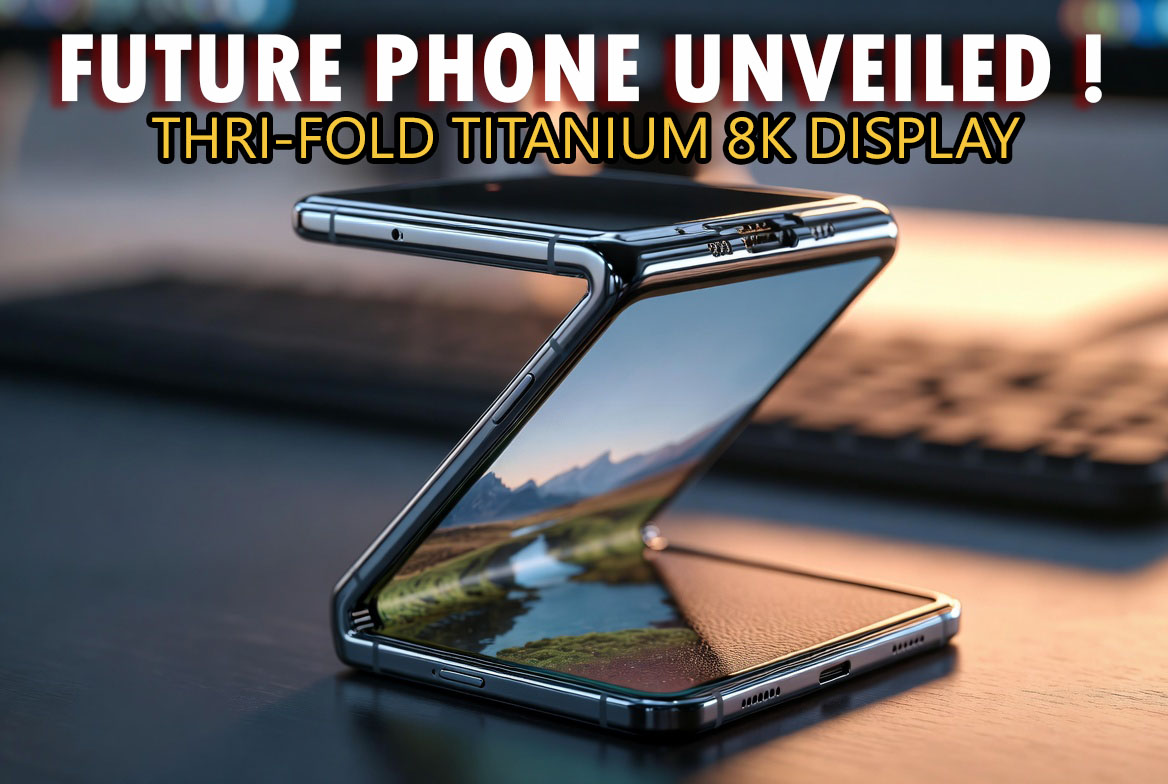
No longer restricted to a single fold, the new "Z-fold" engineering allows a standard-sized pocket device to expand into a massive 10-inch workspace. It’s not just a phone anymore—it’s a pocketable workstation.
The Engineering Marvel: Beyond the Single Hinge
The transition from dual-fold (book-style) to tri-fold is an engineering feat. By utilizing two distinct hinges—one folding inward and one folding outward—manufacturers have solved the "screen-to-body ratio" puzzle.
The Three-in-One Experience: These devices offer three distinct modes: a 6.5-inch traditional smartphone, a 7.9-inch mini-tablet, and a full 10.2-inch ultra-wide display.
Durability Breakthroughs: 2026 models feature Gorilla Glass Ceramic and enhanced UTG (Ultra Thin Glass), making the screens resistant to the "crease" that plagued early foldables.
Silicon-Carbon Batteries: To keep the device thin (under 13mm when folded), brands are now using high-density silicon-carbon batteries that offer 5,600mAh+ capacities without the bulk.
Leading the Charge: Galaxy Z TriFold vs. Huawei Mate XT
The market is currently dominated by two giants pushing the boundaries of what’s possible.
| Feature | Samsung Galaxy Z TriFold | Huawei Mate XT Ultimate |
|---|---|---|
| Main Display | 10.0-inch Dynamic AMOLED 2X | 10.2-inch LTPO OLED |
| Processor | Snapdragon 8 Elite (Gen 5) | Kirin 9010 / 9020 |
| Software | Android 16 (One UI 8) | HarmonyOS 5.0 |
| Unique Factor | IP48 Water Resistance & S-Pen | Ultra-thin 3.6mm unfolded depth |
Why Tri-Fold is the "New Standard" for Productivity
The real value of a tri-fold smartphone isn't just the "wow" factor; it's the utility. 1. True Multitasking: On a 10-inch screen, you can run four apps simultaneously—an Excel sheet, a Zoom call, your email, and a notepad—without feeling cramped.
2. The End of the Tablet: For professionals, carrying both a phone and an iPad is becoming redundant. The tri-fold device bridges that gap perfectly.
3. Content Creation: For graphic designers and video editors, having a color-accurate, 10-inch canvas that fits in a pocket is a game-changer for on-the-go edits.
The Challenges Ahead
While tri-folds are the new standard for premium users, they aren't without hurdles. Pricing remains the biggest barrier, with flagship models starting around $2,400. Furthermore, the complexity of two hinges means repair costs are significantly higher than standard "slab" phones.
Conclusion
The era of the "static screen" is over. Tri-fold smartphones represent the pinnacle of mobile innovation in 2026, offering a level of versatility we only dreamed of five years ago. As manufacturing scales and prices eventually drop, the "Z-fold" design is set to become the blueprint for every flagship phone in the industry.
4. Frequently Asked Questions (FAQs)
Q1: Are tri-fold phones durable enough for daily use?
Yes. 2026 models use dual-hinge structures reinforced with titanium and flexible glass that are rated for over 300,000 folds, roughly 5-7 years of heavy use.
Q2: Will apps look weird on the triple screen?
Most modern apps on Android 16 and HarmonyOS are now "responsive," meaning they automatically resize and reposition elements as you unfold the device.
Q3: Is the "crease" visible on tri-fold displays?
While not 100% invisible, new display polymers and tighter hinge tension have reduced the crease to a point where it is barely noticeable during active screen use.
Q4: Can I use a stylus with these phones?
Samsung’s Galaxy Z TriFold fully supports the S-Pen, though Huawei’s current models focus more on touch-based gestures and ultra-thin aesthetics.