Welcome to 2026, where the line between sci-fi and suburbia blurs faster than a robot vacuum dodging socks. At The Vibgyor, we're kicking off the year by peering into the homes of tomorrow—ones where humanoid robots aren't just gadgets, but gentle giants tackling the tedium so you can savor the moments. Tesla's Optimus V3 leads the charge, but it's joined by a chorus of contenders like 1X's Neo and LG's CLOiD, all vying to become your ultimate household sidekick. From brewing morning tea to folding endless laundry, these bots promise a seismic shift in domestic life. But with great power comes great questions: Are we ready for AI eyes in the kitchen? Let's unpack the tech, the triumphs, and the teething troubles of this humanoid homecoming.
The Spark: Why Humanoids Are Finally Homeward Bound in 2026
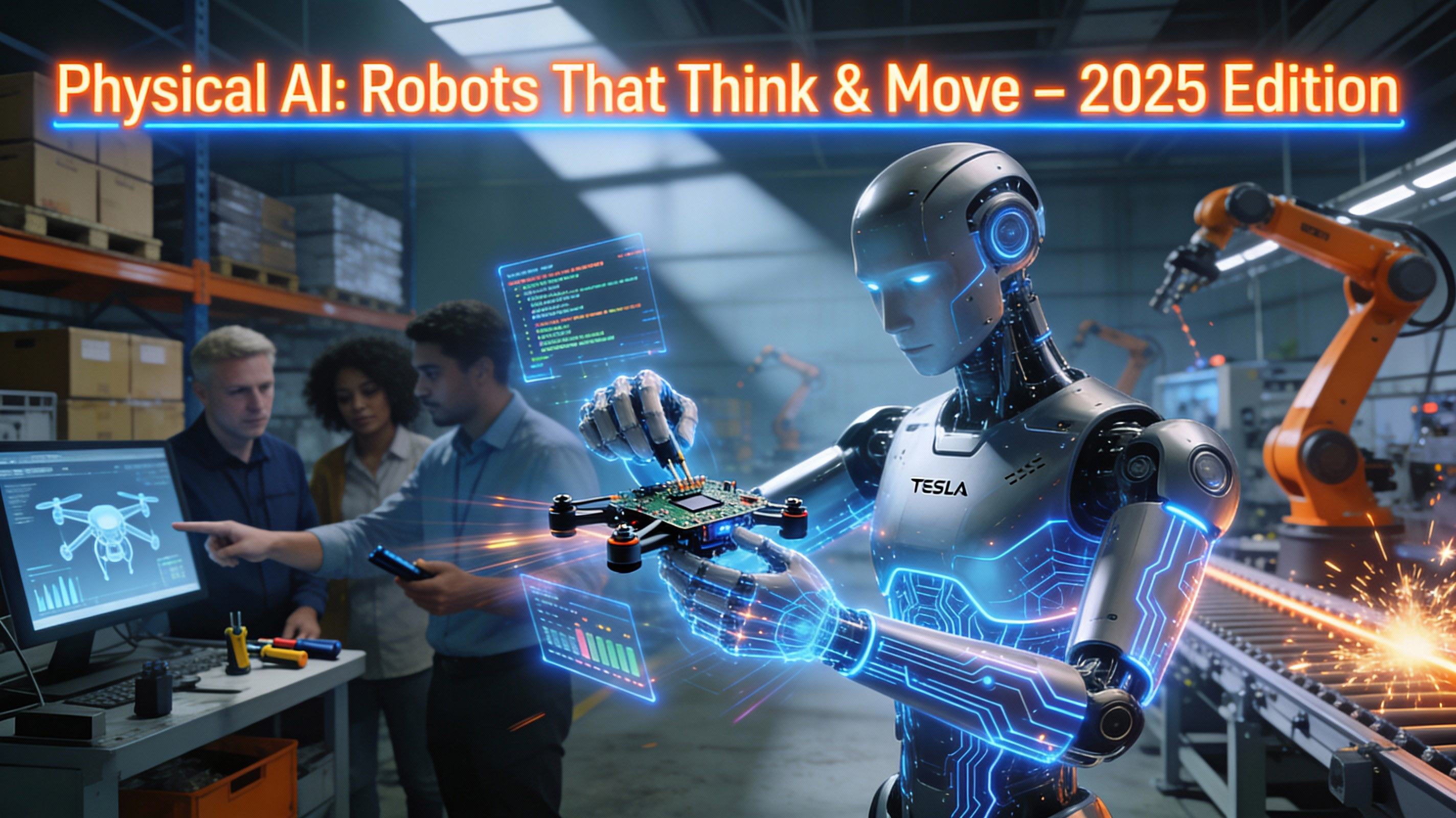
Remember when robots were confined to warehouses or movie sets? That era ended in 2025, with pilots proving humanoids could navigate chaos without constant hand-holding. Now, as CES 2026 looms, the focus flips domestic: Bots designed for the unpredictable ballet of family life—spills, shouts, and surprise hugs included. Deloitte's Tech Trends report dubs it "physical AI's convergence," where agentic bots (those proactive problem-solvers) evolve from coworkers to caregivers.
The catalyst? Cost crashes and capability leaps. What once cost six figures now eyes $20,000 retail, thanks to scalable actuators and edge AI that runs locally (no creepy cloud snooping). X is abuzz: "Optimus V3 cleaning houses and brewing tea—2026's turning point!" one post raves, echoing a sentiment that's garnered thousands of likes. By mid-year, early adopters could see limited deployments, with full consumer waves by 2027—potentially 100,000 units stateside alone.
Spotlight on the Stars: Optimus V3 Takes Center Stage
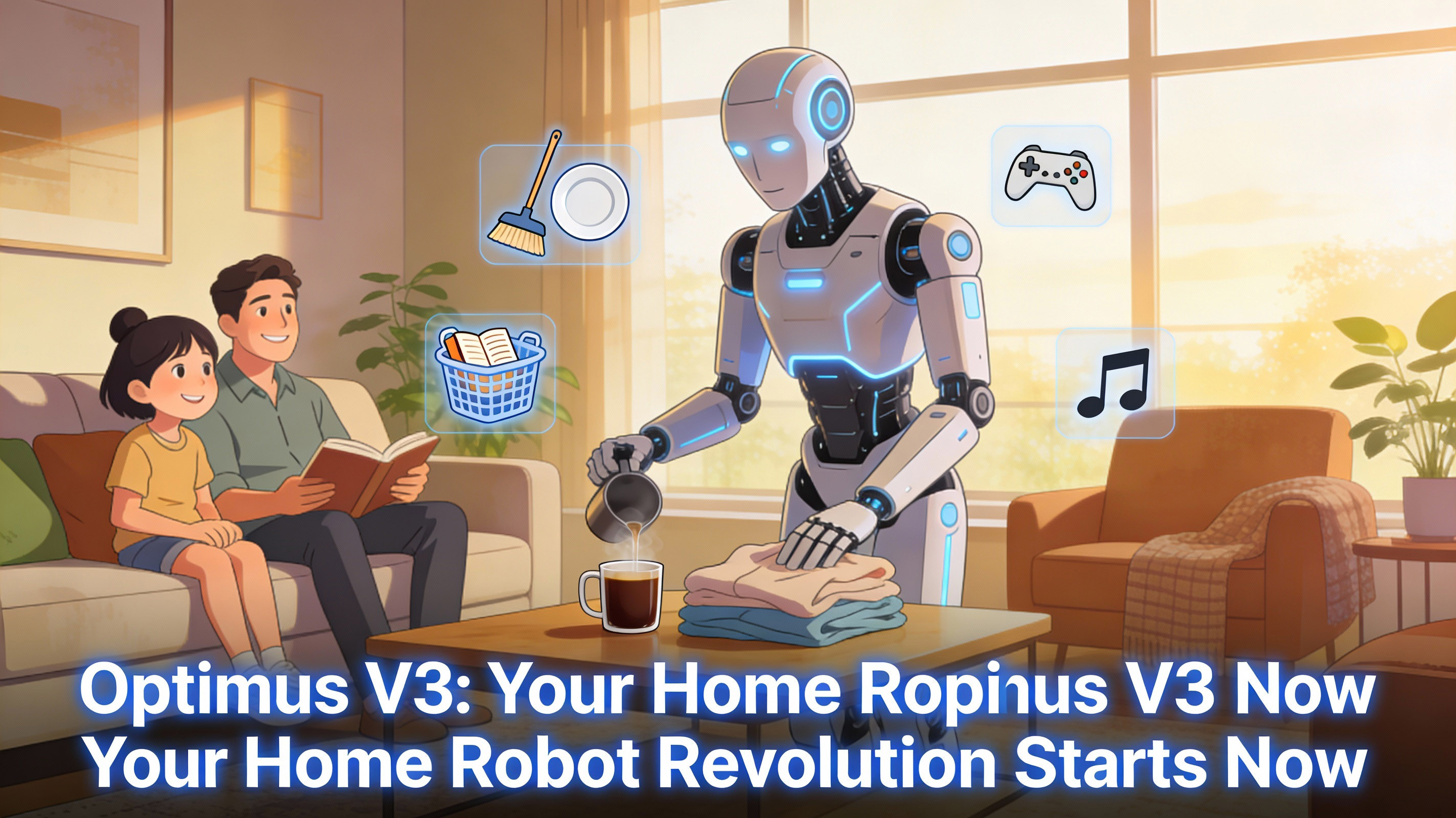
Tesla's Optimus V3 isn't just an upgrade—it's Elon Musk's "biggest product ever," a 173cm, 57kg marvel with hands boasting 22 joints and fingertip sensors that rival human touch. Unveiled in late 2025, it hits homes in Q2 2026, starting with beta trials for chores like dishwashing, laundry, and even light cooking—3,500 tasks mastered via neural nets trained on billions of real-world interactions. Picture this: Optimus spots a cluttered counter, plans the pickup sequence, and executes with eerie grace, all while chatting via Grok integration: "Shall I handle dinner prep while you unwind?"
The home angle? It's built for it. Unlike industrial forebears, V3's dexterous grip (force-sensitive fingers) tackles fragile eggs or kids' toys without a fumble. Musk's All-In Podcast tease? "It comprehends reality—navigating your space like a roommate, not a relic." Early factory tests (already underway) feed data for domestic fine-tuning, with mass production ramping to hit $20k COGS by year-end. X users are hooked: "Optimus as the ultimate health aide—strong, tireless, and trustworthy."
But it's not solo. Beyond Optimus:
| Robot | Key Home Features | 2026 Timeline | Price Point |
|---|---|---|---|
| Tesla Optimus V3 | 3,500+ chores (cleaning, cooking, companionship); Grok AI chat; 22-joint hands | Q2 beta, Q4 consumer | ~$20k-$30k |
| 1X Neo | Personalized assistance (laundry, errands); VR oversight option; full AI autonomy | Shipping now (pre-orders) | $25k+ |
| LG CLOiD | Dual-arm chores (dish loading, folding); voice/gesture control | CES debut, Q3 home trials | $15k-$25k |
| Figure 02 | Warehouse-to-home pivot; heavy lifting (groceries, elder care) | Limited U.S. homes Q2 | $30k+ |
These aren't gimmicks—Neo’s already pre-orderable for 2026 delivery, promising "safe, humanoid help" with a focus on privacy (on-device processing). LG's CLOiD? A CES 2026 star, automating "daily drudgery" with intuitive interaction.
The Homefront Hurdles: Trust, Privacy, and the Human Touch
Excitement aside, 2026's rollout won't be seamless. Humanoids in homes mean sensors everywhere—cameras eyeing your routines, mics catching midnight whispers. X threads flag it: "Optimus needs crystal-clear policies for edge cases like home invasions." Privacy-by-default is non-negotiable: On-device AI (no cloud leaks), zone boundaries ("no-entry" for bedrooms), and auditable logs for every action.
Safety's another saga. While Optimus aces endurance (66-mile walks sans reset), real homes throw curveballs—slippery floors, curious toddlers. Fallbacks like "stop-and-ask" modes are baked in, but WSJ warns: Adoption hinges on a "trust stack," not just flashy demos. Cost? Still premium—$20k+ entry—but subsidies for elder care could accelerate uptake, per FEV Consulting's 1M-unit workplace-to-home shift by 2035.
And the feels? Bots as companions raise ethics: Will they make us lazier, or liberate us for creativity? One X futurist: "Robots doing chores? Humans get lazier—but imagine the art we'll create."
Beyond 2026: A Humanoid Horizon of Harmony
Fast-forward: By 2030, humanoids could be as common as microwaves, handling 40% of household tasks and easing labor shortages. Optimus leads, but a ecosystem blooms—interoperable bots swapping skills via shared AI libraries. CES 2026 will be the proving ground, with live demos turning skeptics to superfans.
The Vibgyor verdict? This isn't invasion—it's invitation. Humanoids amplify humanity, one chore at a time. Ready to welcome one home? What's your must-have feature? Drop it below.
—Team The Vibgyor