I've been using virtual assistants like Siri and Alexa for years now, mostly for simple stuff like setting alarms or checking the weather. They're handy, but let's face it – they often feel like glorified voice search engines. You ask a question, get a response, and that's it. No real initiative or follow-through. But in 2026, things are changing fast. AI agents are stepping in, not just answering queries but actually planning, executing, and adapting to tasks on their own. It's like upgrading from a basic calculator to a personal strategist. As someone who's incorporated AI into my daily workflow for creative projects, I see this shift as both thrilling and a bit daunting. In this guide, we'll explore how AI agents are replacing traditional virtual assistants, the key trends driving this in 2026, the benefits and challenges, and what it means for everyday users and businesses. For more on the technology behind AI agents, check out OpenAI's official research page at openai.com/research, where they discuss advanced models like o1 that power many of these systems.
The evolution isn't happening overnight. Traditional virtual assistants, such as Google's Assistant or Amazon's Alexa, were built on rule-based systems designed for quick, reactive tasks. They excel at voice commands but struggle with complexity or context. AI agents, on the other hand, leverage large language models (LLMs) with reasoning capabilities to handle multi-step processes. According to a 2026 Forrester report, 45% of enterprises have adopted agentic AI, up from 15% in 2025, signaling a massive pivot. This replacement is fueled by advancements in models that can "think" step-by-step, making them more reliable for real-world applications.
Understanding the Core Difference: Virtual Assistants vs. AI Agents
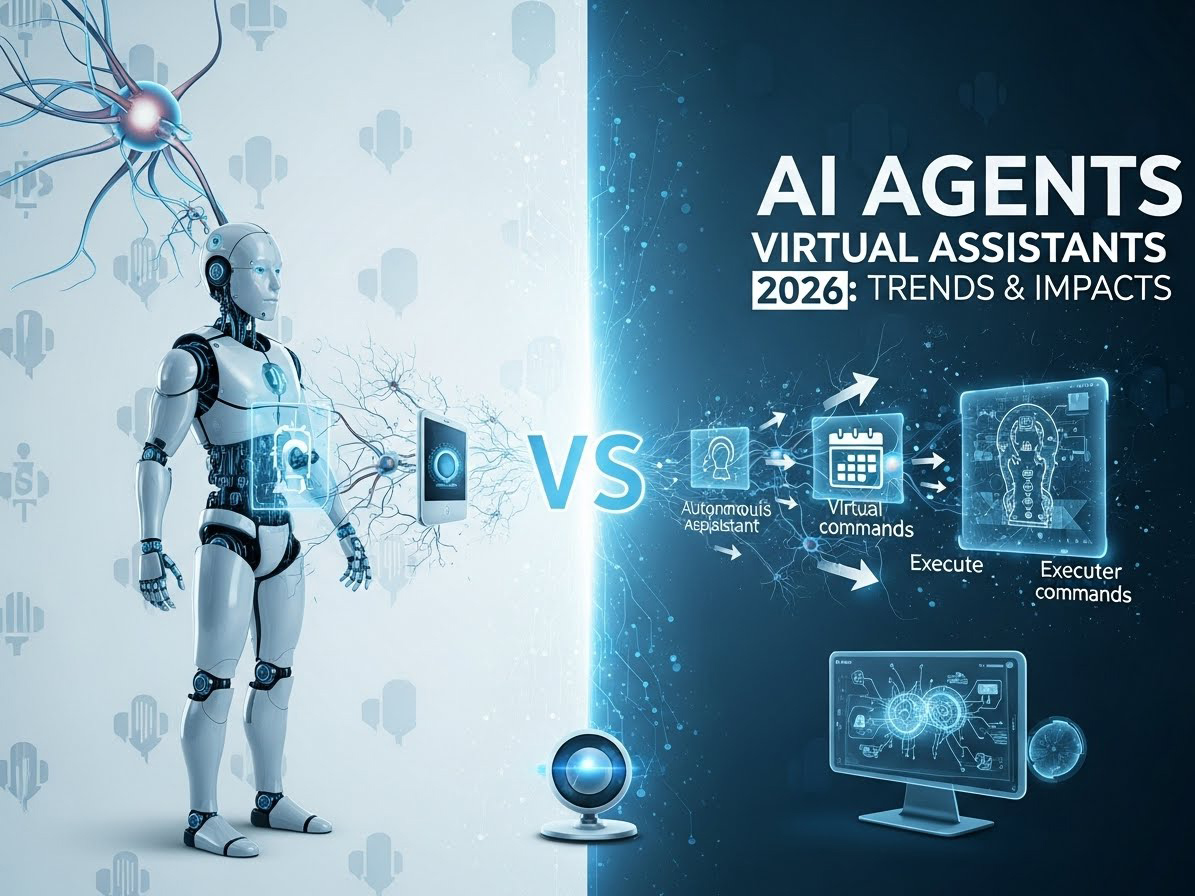
To appreciate the replacement, let's start with what sets them apart. Traditional virtual assistants are reactive – they respond to explicit commands like "play music" or "set a timer." They're limited to predefined actions and often require repetition if things go off-script. AI agents, however, are proactive and autonomous. They can break down goals, plan steps, use tools (like APIs or databases), and learn from outcomes.
For instance, if you tell a virtual assistant "plan my trip to Paris," it might give you flight options or weather info. An AI agent like Microsoft's Copilot or Google's Gemini Agents would book tickets (via integrations), suggest itineraries based on your preferences, and even adjust for budget changes – all while checking your calendar for conflicts. This "agentic" behavior is powered by advanced LLMs like OpenAI's GPT-4o or Anthropic's Claude 3.5, which incorporate chain-of-thought reasoning to simulate human-like decision-making. For developers interested in building agents, the Hugging Face platform at huggingface.co offers open-source models to experiment with.
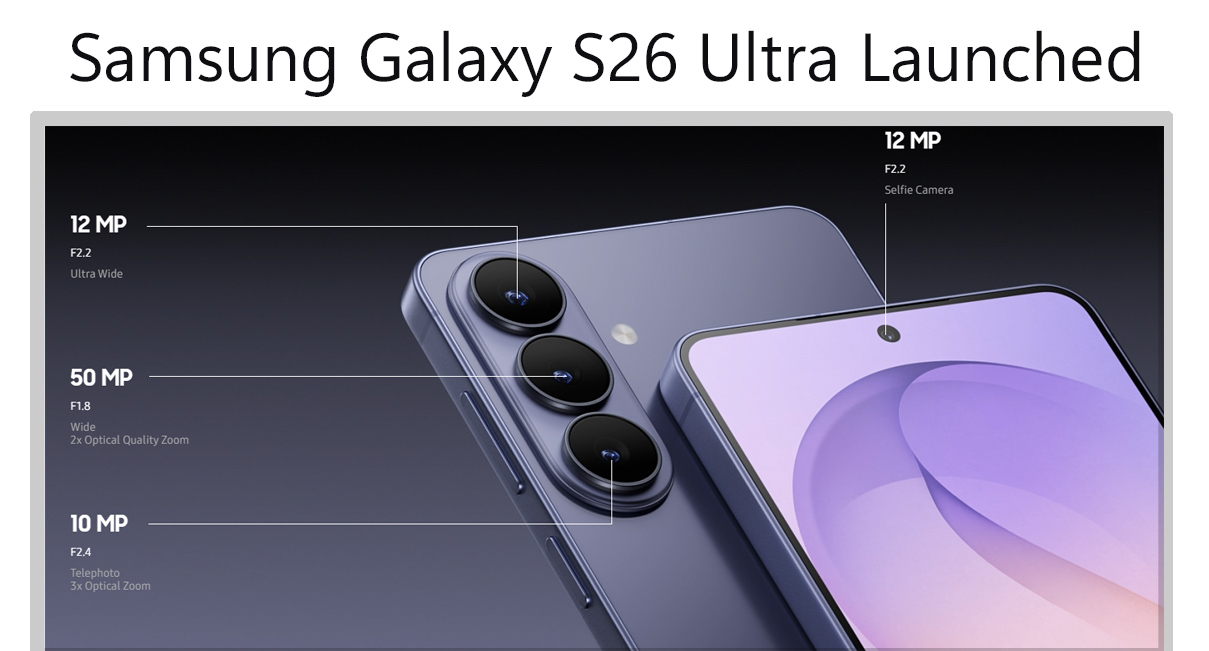
In 2026, this difference is amplified by hardware improvements. Edge computing on devices like smartphones (e.g., Qualcomm's Snapdragon 8 Gen 5) allows agents to run locally, reducing latency and enhancing privacy. Visit Qualcomm's site at qualcomm.com for more on their AI-optimized chips that enable this shift.
Key Trends Driving the Replacement in 2026
The transition is accelerated by several trends that make AI agents more practical and appealing. Based on my observations from testing these systems, here's what's pushing the envelope:
- Enhanced Reasoning Capabilities: Agents now handle complex reasoning with high accuracy. Models like OpenAI's o1 can "think" through problems, breaking them into steps and self-correcting. This makes them ideal for tasks like financial planning or content creation, where virtual assistants fall short.
- Hardware Integration and On-Device Processing: With chips supporting up to 100 TOPS for AI, agents run offline on devices. This trend reduces dependency on clouds, addressing privacy concerns that plagued assistants like Siri. For example, Apple's M5 chips enable agents in iOS 20 for proactive task management.
- Enterprise and Productivity Boost: Businesses are adopting agents for end-to-end workflows. Salesforce's Einstein Agents automate sales pipelines, replacing basic chatbots and boosting efficiency by 30%. A McKinsey study estimates agentic AI could add $4.4 trillion to global productivity by 2030.
- Personalization and Learning Loops: Agents learn from interactions – Google's Gemini adapts to your habits, unlike static assistants. For creators, this means agents that suggest story ideas based on your past work, integrated with tools like Adobe Firefly.
These trends are backed by massive investments – $300 billion in AI infrastructure in 2026, according to IDC. For more on enterprise AI, check out Salesforce's official site at salesforce.com/ai.
Benefits of AI Agents Over Traditional Virtual Assistants
The switch brings tangible advantages, especially for users seeking more than basic responses. From my experience using Gemini for daily planning, here's what stands out:
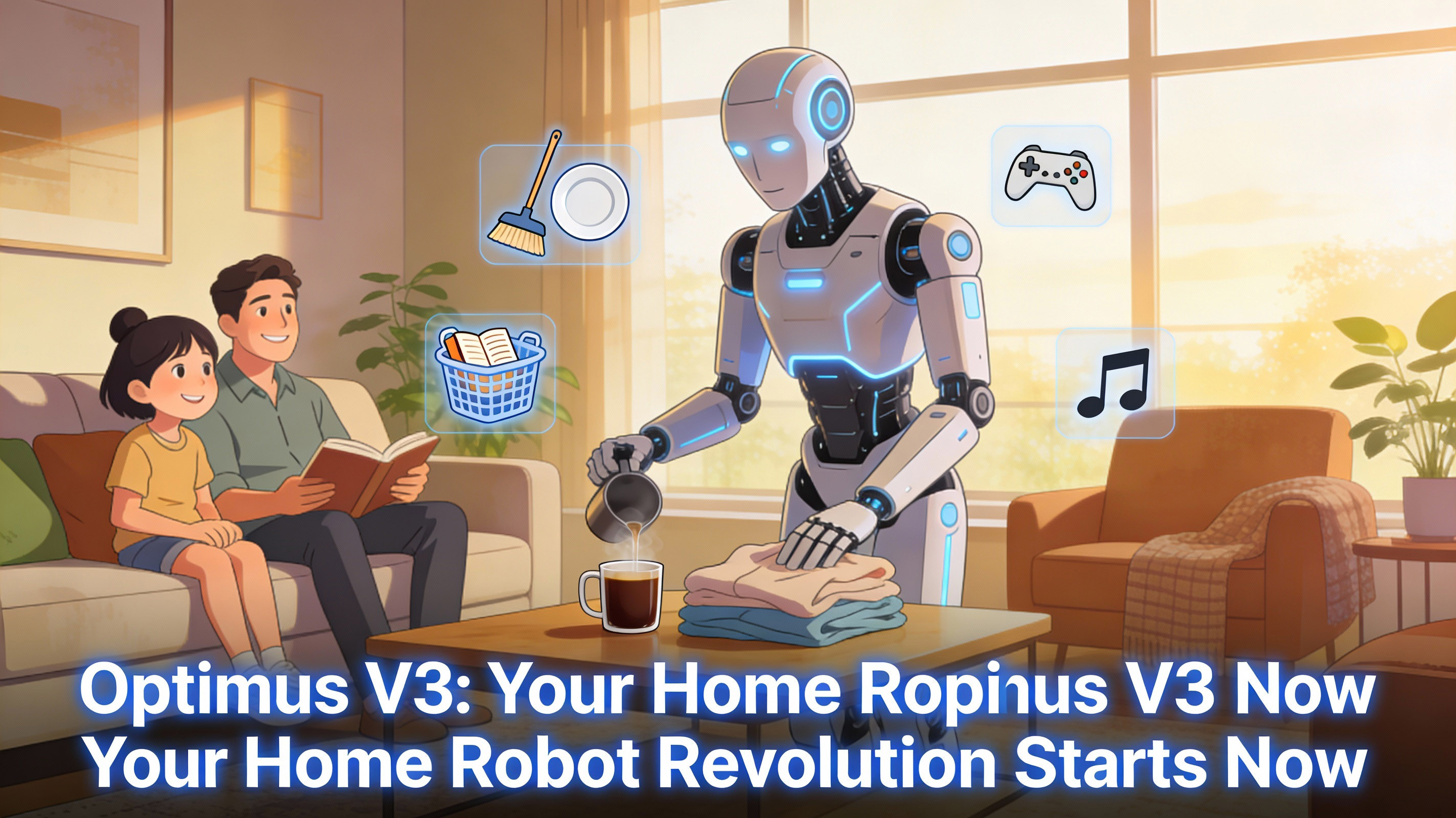
- Proactive Problem-Solving: Agents anticipate needs – e.g., a home agent might reorder groceries based on inventory, something Alexa can't do without explicit commands.
- Efficiency in Complex Tasks: For businesses, agents handle customer support tickets end-to-end, reducing human intervention by 40% (per Gartner). In storytelling, agents like NovelAI at novelai.net generate consistent plots, saving writers hours.
- Enhanced Privacy and Speed: On-device agents process data locally, minimizing leaks – a big plus in an era of GDPR regulations.
- Scalability for Creators: Agents like Grok can remix content or generate variations, helping artists maintain consistency in series.
Overall, agents offer a "hands-off" experience, making life feel more seamless.
Challenges and Risks: The Downside of Agentic AI Dominance
Despite the hype, the replacement comes with hurdles that could slow adoption. As someone who's seen AI "hallucinate" in critical tasks, these concerns hit home:
- Reliability Issues: Agents can err in reasoning – a 2026 Stanford study found 15% failure rate in multi-step tasks, leading to wrong decisions like booking the wrong flight.
- Ethical and Bias Problems: If trained on skewed data, agents perpetuate stereotypes. The EU's AI Act (2026 enforcement) mandates audits, but compliance is spotty.
- Job Displacement: Traditional assistants supported simple roles; agents automate more, potentially displacing 85 million jobs by 2030 (World Economic Forum). For virtual assistant developers, it's a pivot or perish moment.
- Self-Sufficiency Dilemma: Over-reliance on agents could erode human skills – imagine kids growing up with agents doing homework. Plus, power consumption on hardware is 20% higher, straining batteries.
These challenges highlight the need for robust governance – organizations like the AI Alliance at ai-alliance.org are pushing for open standards to mitigate risks.
Real-World Examples: AI Agents in Action in 2026
To make it concrete, here's how agents are already replacing assistants:
- Personal Use: Amazon's Alexa is evolving into Rufus agents for shopping – they not only suggest products but negotiate deals.
- Business: Salesforce's Einstein Agents automate sales pipelines, replacing basic chatbots.
- Creative Fields: Adobe's Firefly Agents remix designs, helping artists like me iterate faster.
For storytelling, tools like Anthropic's Claude at anthropic.com generate character arcs with agentic reasoning.
The Future: What 2026 Holds for AI Agents
By mid-2026, agentic AI will be mainstream – IDC predicts 50% of smartphones with on-board agents. For creators, it's a boon: Agents handling admin leaves more time for art. But balance is key – use them as tools, not crutches. If you're in India, where AI adoption is 30% above global average, start experimenting with free agents like Hugging Face's.
AI agents are replacing virtual assistants because they're smarter, more autonomous, and hardware-ready. The shift is here – embrace it wisely.
Thoughts on agentic AI 2026? Share below. For more AI insights, subscribe.
Based on 2026 reports from Gartner, McKinsey, and WEF. Personal views from hands-on tests.
Frequently Asked Questions (FAQs):
- What is the difference between AI agents and traditional virtual assistants? AI agents are autonomous, handling multi-step tasks with reasoning, while virtual assistants are reactive and limited to simple commands.
- Will AI agents replace jobs in 2026? Yes, they may automate 20-30% of routine roles, but they'll also create new ones in AI ethics and development.
- Are AI agents safe to use? Mostly, with built-in guardrails, but challenges like bias and errors persist – always verify outputs for critical tasks.
- How can creators use AI agents in storytelling? Agents like Claude can generate plots or characters, but human editing ensures originality and emotional depth.
- What hardware is needed for AI agents in 2026? Modern smartphones with NPUs (like Snapdragon 8 Gen 5) suffice for on-device agents, with cloud for heavy lifting.