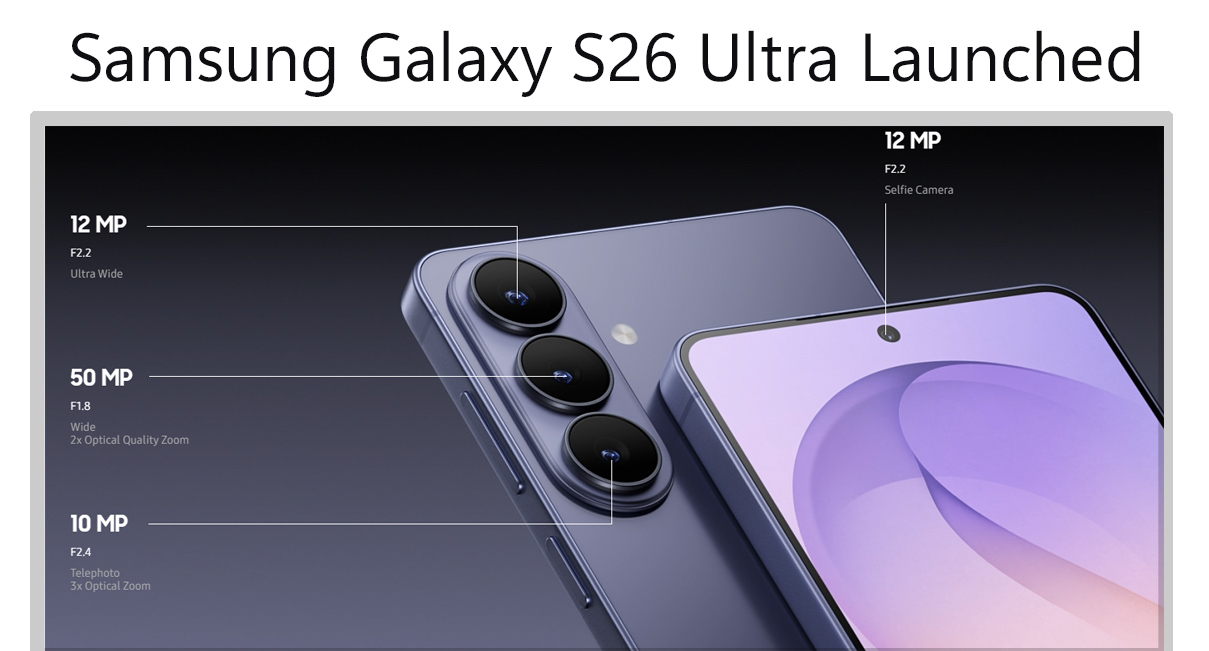
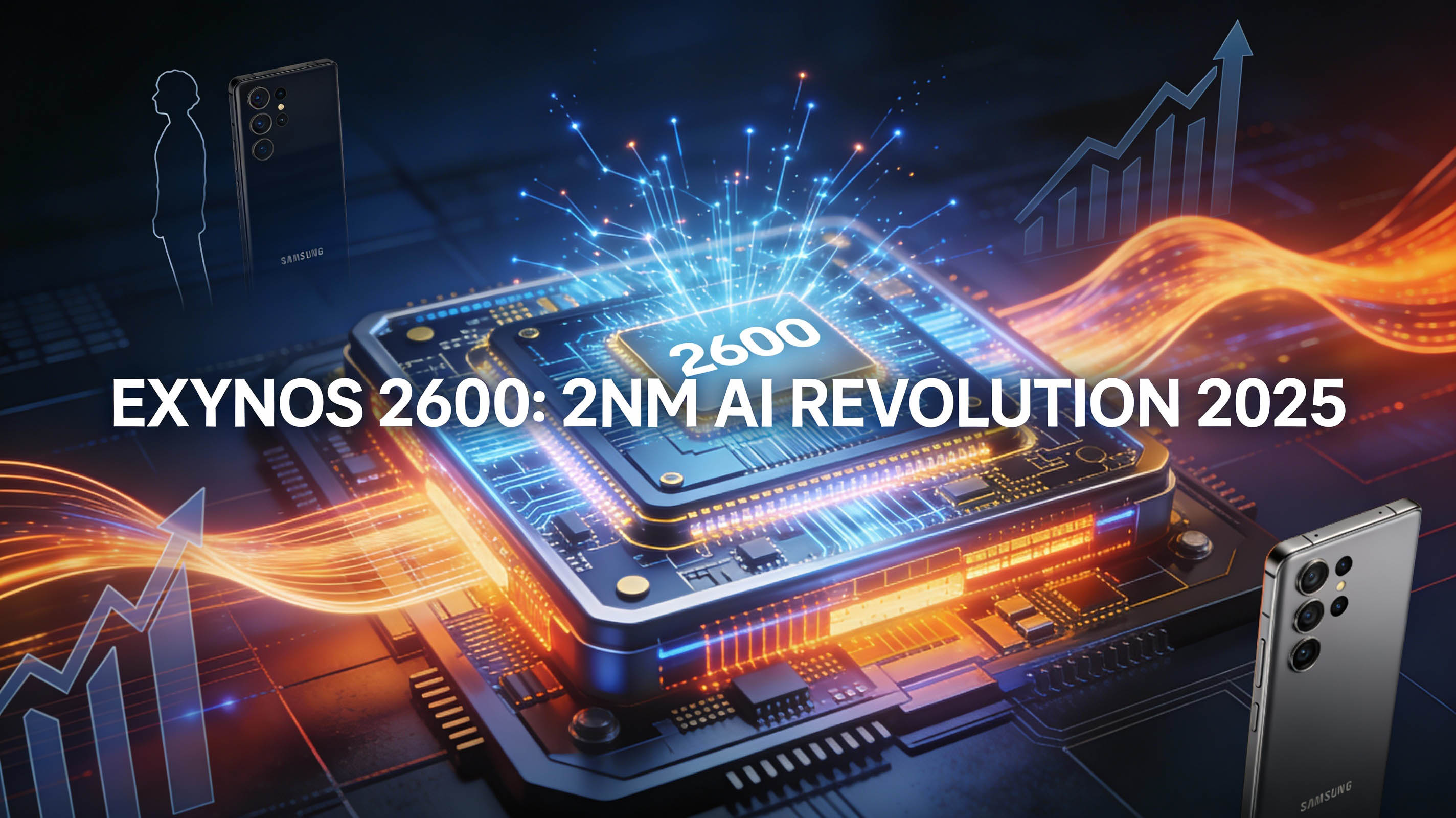
Samsung has just dropped a bombshell in the mobile chipset arena: the Exynos 2600, billed as the world's first smartphone SoC (System on Chip) fabricated on a 2nm Gate-All-Around (GAA) process. Announced quietly on December 19, 2025, this powerhouse promises a seismic shift in performance, efficiency, and AI capabilities, positioning it as a direct challenger to Qualcomm's Snapdragon dominance. With the Galaxy S26 series looming in early 2026, the Exynos 2600 isn't just an upgrade—it's Samsung's bold bid to reclaim in-house silicon supremacy after years of mixed reviews for its predecessors.
Why now? As AI integrates deeper into everyday devices—from on-device translation to generative photo editing—the demand for compact, power-sipping chips has exploded. Samsung's own Foundry arm leads the charge with 2nm tech, outpacing TSMC's timeline and Apple's A-series ambitions. This isn't hype; early specs suggest a 39% performance leap and 113% AI acceleration over the Exynos 2400, per Samsung Semiconductor's reveal. For Indian consumers, where Galaxy flagships hold 25% market share amid rising AI smartphone adoption, this could mean smoother, smarter devices at competitive prices. Let's dissect the tech, ambitions, and what it means for the future.
The Heart of the Beast: 2nm GAA Process – A Nanoscale Revolution
At its core, the Exynos 2600 leverages Samsung's SF2 (2nm) GAA architecture, a transistor design that wraps the gate fully around the channel for superior control over electron flow. This isn't incremental; it's a generational leap from the 3nm FinFET in the Exynos 2400, enabling denser packing (up to 30% more transistors) without ballooning power draw.
Key Tech Breakdown
- Transistor Density: SF2 GAA packs 200 million transistors per square millimeter— a 25% density boost over 3nm—allowing for slimmer, cooler flagships. Samsung claims 15-20% better power efficiency, crucial for all-day AI tasks without thermal throttling.
- Thermal Innovations: New "thermal-aware" packaging integrates vapor chamber tech directly into the die, dissipating heat 40% faster. No more Galaxy S24 Ultra-style overheating during gaming marathons.
- Manufacturing Edge: Built in Samsung's Austin and Pyeongtaek fabs, it's a "Made in Korea" flex amid U.S.-China chip tensions. Yield rates? Samsung hints at 90%+, rivaling TSMC's secrecy.
This process isn't just about speed; it's efficiency for AI era devices, where idle NPUs (Neural Processing Units) guzzle battery like yesterday's news.
AI Boost: The NPU That Powers Tomorrow's Galaxy
Samsung's flagship pitch hinges on AI, and the Exynos 2600 delivers with a revamped NPU 4.0—113% faster than its predecessor for on-device inference. This isn't fluff: It enables real-time features like generative wallpapers, voice-to-video editing, and predictive health monitoring without cloud dependency.
AI-Specific Upgrades
- NPU Cores: Tripled to 12 dedicated units, supporting INT8/FP16 precision for complex models like Stable Diffusion variants. Samsung demos 4K AI upscaling in 0.5 seconds—blazing for mobile.
- Integration with Galaxy AI: Ties into One UI 7's ecosystem, boosting Circle to Search by 50% in accuracy and adding "AI Ambient Mode" for proactive suggestions (e.g., recipe ideas from fridge cams).
- Gaming Synergy: The NPU offloads ray-tracing from the GPU, enabling console-level visuals in Genshin Impact at 120fps without frame drops.
For creators in India—where YouTube Shorts and Reels drive 60% of mobile data—this means faster editing suites and AR filters, potentially cutting post-production time by half.
Flagship Ambitions: Galaxy S26 and Beyond
The Exynos 2600 isn't debuting in a vacuum; it's tailor-made for the Galaxy S26 lineup, expected at MWC 2026. Samsung's strategy? Ditch Snapdragon exclusivity for global variants, using Exynos in Europe/India and Snapdragon in the U.S./Korea to optimize supply chains.
Performance Specs at a Glance
A 10-core ARM-based config (1x Cortex-X5 prime @3.5GHz, 3x performance cores, 6x efficiency) paired with an AMD RDNA3-derived Xclipse 950 GPU. Benchmarks? Leaks suggest Geekbench singles at 2,800 (vs. Snapdragon 8 Gen 4's 2,600) and multis at 12,000.
| Feature | Exynos 2600 | Exynos 2400 (Predecessor) | Snapdragon 8 Elite (Rival) |
|---|---|---|---|
| Process Node | 2nm GAA | 4nm FinFET | 3nm TSMC |
| CPU Config | 1+3+6 (10-core) | 1+2+5+2 (10-core) | 2+6 (8-core) |
| AI Performance | 113% uplift (NPU 4.0) | Baseline | 45% TOPS |
| GPU | Xclipse 950 (RDNA3) | Xclipse 940 | Adreno 830 |
| Efficiency Gain | 20% power savings | Baseline | 30% (claimed) |
| Thermal Tech | Integrated vapor chamber | Standard cooling | Cryo-velocity |
This table highlights Exynos's edge in AI density, though Snapdragon still leads in raw GPU grunt. Samsung's ambition: Equip 70% of S26 units with Exynos, reducing Qualcomm dependency and costs by 15%.
Challenges and the Road Ahead: Not All Smooth Sailing
Samsung's Exynos track record is checkered—thermal woes in the S20 5G soured perceptions. The 2600 addresses this with GAA's lower leakage, but real-world tests (expected Q1 2026) will tell. Competition heats up: Apple's A19 on 2nm Armv9 could eclipse in iOS optimization, while MediaTek's Dimensity 9400 eyes mid-range disruption.
For India, where 5G penetration hits 60%, the Exynos 2600 promises affordable flagships (S26 under ₹80,000) with AI perks like Hindi voice synthesis—boosting Jio/Airtel ecosystems.
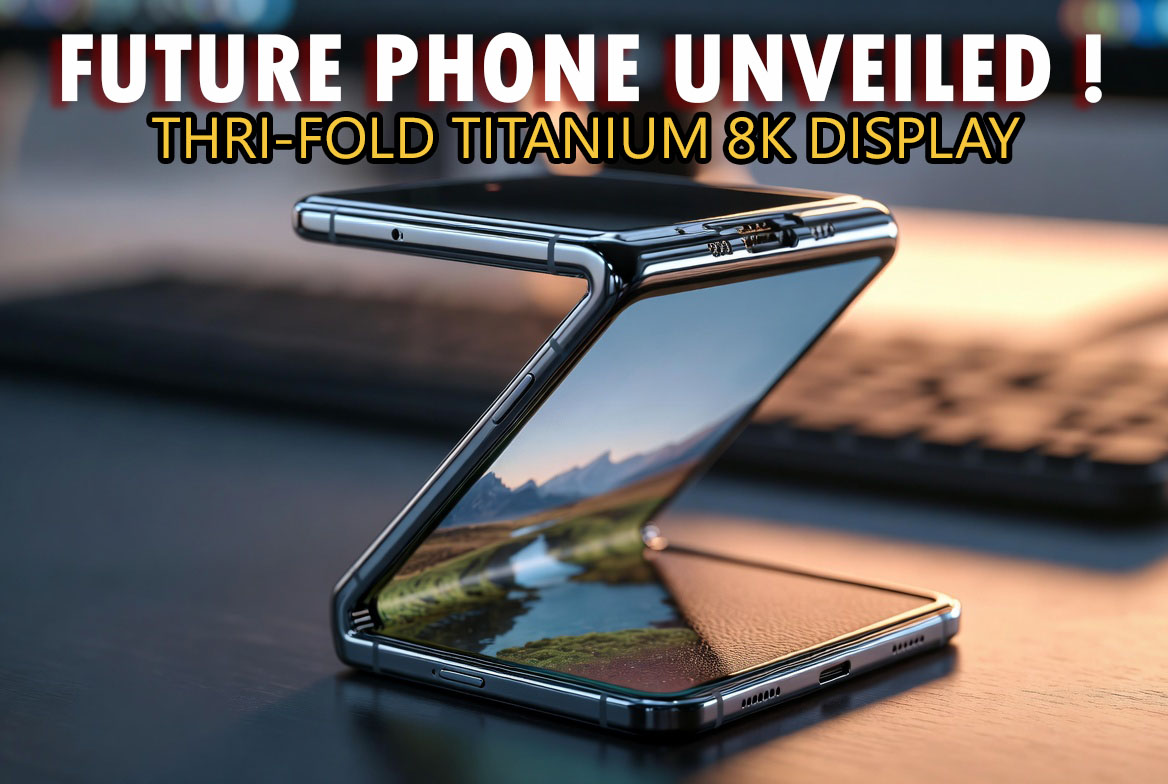
Globally, it's a Foundry win: Samsung's 2nm yields could snag Apple orders, per GSMArena analysis. Ambitions extend to wearables (Galaxy Watch 8) and foldables, where AI-driven hinge controls shine.
Why Exynos 2600 Matters: A Mobile AI Turning Point
In 2025's chipset arms race, the Exynos 2600 isn't just silicon—it's Samsung's manifesto for self-reliance. With 2nm GAA enabling denser AI, thermal smarts for endurance, and flagship-grade grunt, it sets the stage for Galaxy devices that think faster than they charge. Challenges remain (benchmark validation, ecosystem maturity), but if it delivers, expect a Snapdragon shake-up and cheaper AI phones worldwide.
Posted on December 20, 2025 | By TheVibgyor Team | Category: Tech & AI News